Your Move to Cap Cana: A Crystal Garden Owner's Guide
Yes, you can move to the Dominican Republic and live full-time as a property owner at Crystal Garden. While the legal process for residency is straightforward for many, a successful relocation depends just as much on the quality of daily life, which is where the particulars of Cap Cana — gated, with its own security and amenities — start to matter more than the paperwork.
What does full-time life at Crystal Garden look like?
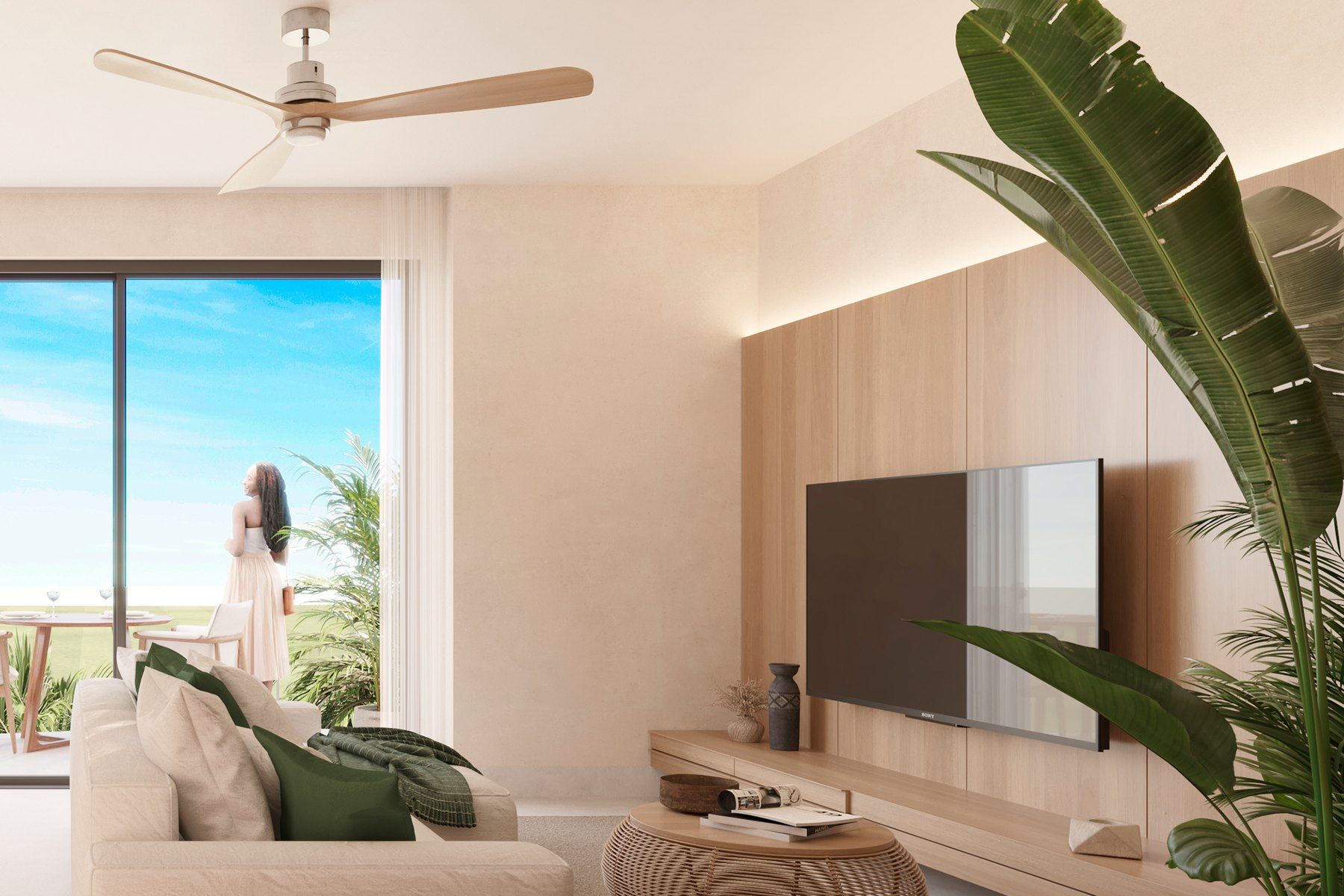
Living at Crystal Garden is fundamentally different from vacationing here. As an owner, the development's amenities become part of your daily routine. The property includes a spa and wellness centre, a fully equipped gym, pickleball courts, restaurants, and a rooftop pool, all within the two buildings. This self-contained environment means many daily comforts are just an elevator ride away.
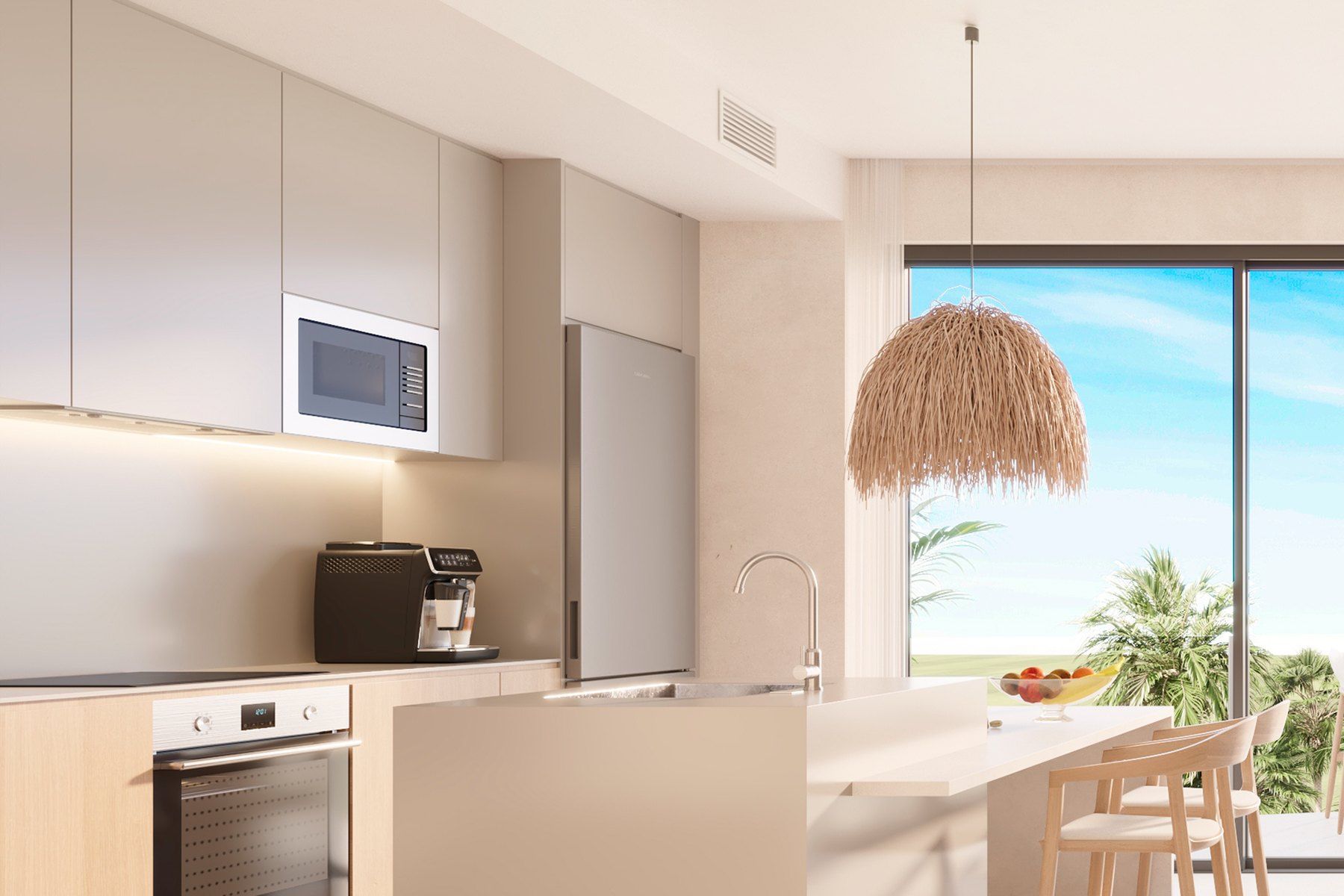
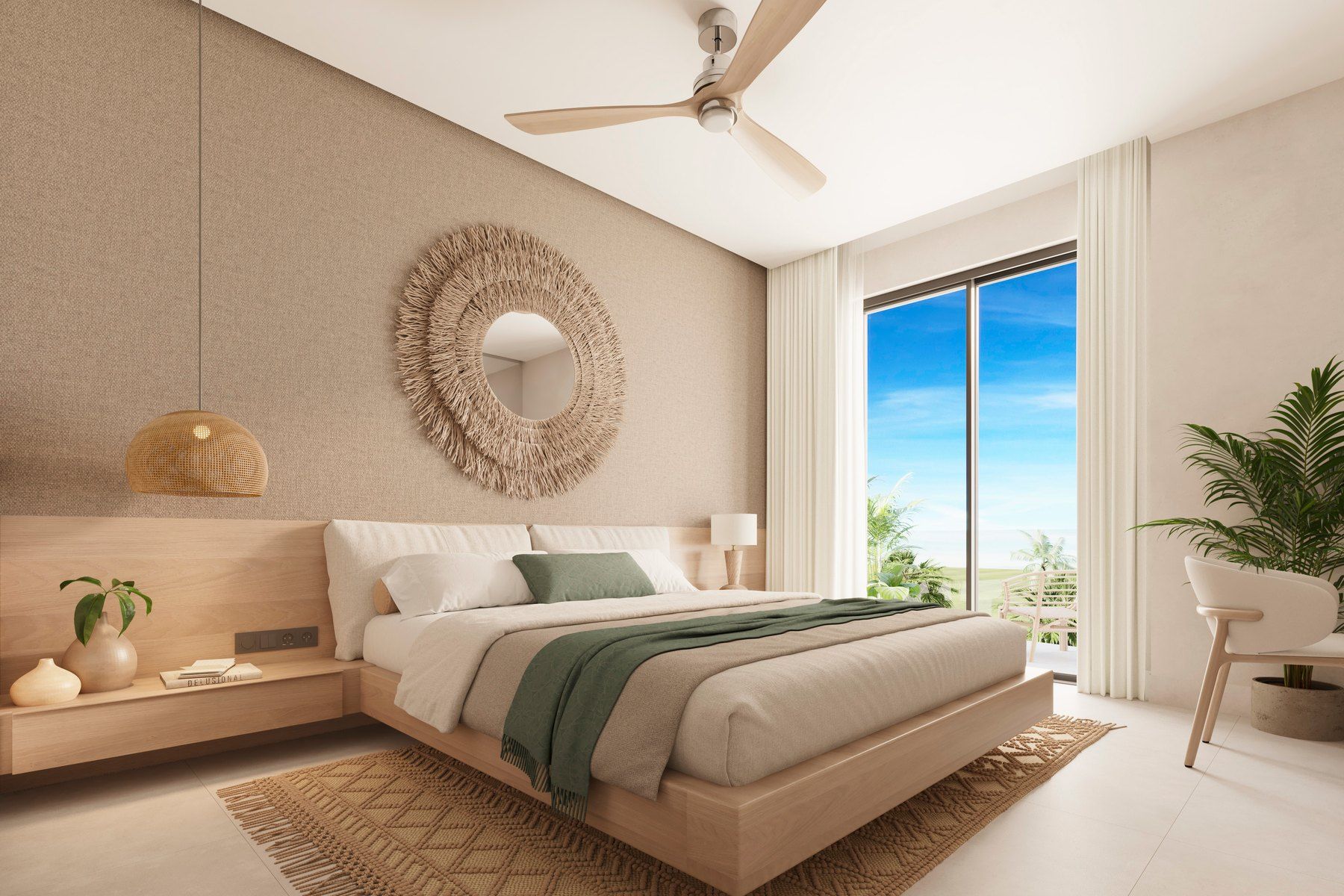
Because Crystal Garden is designed as a condo-hotel, residences are delivered finished and rental-ready; whether furniture forms part of that is not settled by the published material, so ask. While an optional rental program is available for when you're away, there is no obligation to rent out your unit. You can choose to live in your residence year-round, enjoying the golf-course views and Cap Cana's tranquil environment as a permanent home. With delivery scheduled for 2027, you have a clear timeline for planning your move.
What are the main residency pathways for property owners?
While you don't need to be a resident to own property, many full-time owners choose to formalize their status. The Dominican Republic offers several residency pathways, with two being particularly relevant for property owners under Law 171-07.
The two most common are the Pensionado (retirement) visa and the Rentista (independent income) visa, both resting on a demonstrable monthly income from a foreign source. The published thresholds are US$1,500 a month for Pensionado and US$2,000 for Rentista. Which route fits your circumstances — and whether those figures still stand when you apply — is a question for an immigration attorney.
- Year 1 Initial Residency Card Upon approval, you receive a temporary residency card, typically valid for one year.
- Year 2 First Renewal Your first renewal grants a residency card typically valid for four years.
| Residency Pathway | Minimum Monthly Income (USD) | Source of Income |
|---|---|---|
| Pensionado (Retiree) | $1,500 | Pension or retirement fund |
| Rentista (Independent Income) | $2,000 | Stable income from investments, rentals, or other non-salaried sources |
Does buying a condo at Crystal Garden qualify for an investor visa?
The Dominican Republic has an investment residency program with a frequently cited minimum threshold of $200,000. However, the question of whether a real estate purchase automatically qualifies an applicant, and at what value, is unsettled. Different legal sources offer conflicting interpretations on this point. Two things are missing from that $200,000 figure whenever it is quoted at you. The government's own page was unreachable when we checked, so treat it as the threshold the programme is reported to carry rather than a verified statutory one; and a rival figure of US$500,000 circulates specifically for real estate, which residences here — starting from $475,000 — would not clear. Put together with the unsettled question above, the honest position is that no purchase price on this page tells you anything about qualifying. Do not assume it, and be wary of anyone who encourages you to.
What is daily life and security like inside Cap Cana?
One of the primary reasons owners choose to live in Cap Cana is the secure, well-managed environment. The entire community is a private, gated enclave. Private security is a regulated sub-sector in the Dominican Republic, overseen by a single state regulator, and Cap Cana runs its own security within the gate. Additionally, the national tourist police force, Politur, has a dedicated presence in the Punta Cana and Cap Cana areas.
For healthcare, a Canadian government advisory notes that while ambulance services can be unreliable in much of the country, they are more reliable in major tourist areas like Punta Cana. Day-to-day errands and leisure are simplified by proximity; Juanillo Beach is an eight-minute drive, and the Punta Cana International Airport (PUJ) is about 20 minutes away, offering direct flights to North America and Europe.
Can owning my condo lead to Dominican citizenship?
Law 1683 sets several routes to naturalisation. The ordinary one requires two years of uninterrupted legal residence — that is what the statute says, and it should not be read as two years from arrival to passport, since other sources describe a considerably longer migration track before permanent status is even reached and we could not reconcile the two. Article 1(c) shortens the residence requirement to six months for those who own real property or have founded industries. Be precise about what that is and is not: the law sets no minimum property value anywhere, so it is not a benefit an investment buys, and the six months is a period of RESIDENCE rather than a period of ownership.
It is also unresolved whether those six months mean six months physically present in the country or six months holding the permit — a distinction that decides whether this route is realistic at all for someone who does not intend to live here full-time. Get it pinned down before you build a plan on it. The Dominican Republic permits dual citizenship, so you would not be required to renounce your current nationality.
How are residents taxed in the Dominican Republic?
It's crucial to understand the distinction between immigration status and tax status. Holding a residency card does not automatically make you a tax resident. Tax residency is typically established by spending more than 182 days in the Dominican Republic in a calendar year, whether consecutive or not.
What happens after that threshold — which categories of foreign income become taxable, when, and with what credits or treaty relief — is not something we can source to anything authoritative, so this page does not summarise it. That is a genuine gap rather than a formality, because for anyone moving with a pension or foreign investment income it is the question that actually decides the cost of the move. We strongly advise consulting with a Dominican tax advisor to understand your obligations and plan accordingly.
Common questions
- Do I need to be a resident to buy property at Crystal Garden?
- No. Foreign buyers can purchase and hold freehold title without being resident — Crystal Garden publishes 100% foreign ownership — and the whole process can be completed as a non-resident.
- Is dual citizenship allowed in the Dominican Republic?
- Yes. The Constitution of the Dominican Republic permits dual citizenship. If you become a naturalized Dominican citizen, you are not required to renounce your original citizenship.
- What is the timeline for moving into Crystal Garden?
- Crystal Garden is scheduled for delivery in 2027. This pre-construction period provides ample time for future residents to plan their move, consult with legal and tax professionals, and complete any necessary residency applications without pressure.
Want the details for your own situation?
Ask about availability, layouts or the buying process, and someone from the sales team will get back to you.
Get in touch